For the prevention of Pelvic Floor dysfunction after pregnancy and childbirth
Many women develop Pelvic Floor dysfunctions, with urinary incontinence being the most common symptom, after childbirth. However, they often refrain from seeking help due to feelings of embarrassment (*).
This unfortunate reality creates a vicious cycle of problems and “shame,” negatively impacting the physical and mental health of women while distancing them from therapeutic solutions. Yet, it doesn’t have to be this way. Recognizing this, the national professional and academic associations of physiotherapists and midwives in the UK have closely collaborated to raise awareness of the issue among pregnant and postpartum women and promote effective solutions.
Midwives and physiotherapists in England initiated their cooperation with a joint statement advocating for early intervention through Pelvic Floor muscle training. This effort aims to prevent common dysfunctions, including incontinence, prolapse, and sexual dysfunction, during or after childbearing.
They further developed a range of resources for education and therapeutic intervention, such as informational leaflets and short educational videos designed for midwives. These materials enhance midwives’ knowledge, enabling them to identify potential dysfunctions early and refer women to specialized Pelvic Floor physiotherapists. Midwives are trained to recognize issues and provide advice on the importance of maintaining Pelvic Floor health. Specialized Pelvic Floor physiotherapists possess the knowledge and skills to perform vaginal and rectal assessments of the Pelvic Floor in women referred by midwives during the postpartum period, whether after a natural delivery or a cesarean section.
Midwives should receive training from expert physiotherapists in areas such as functional anatomy, pathokinesiology, and Pelvic Floor dysfunctions to guide proper Pelvic Floor exercises during pregnancy. The contribution of midwives to the prevention of Pelvic Floor dysfunctions is essential, as their role during pregnancy and the postpartum period is extremely significant. During this time, as well as 4–6 months after childbirth, pregnant and postpartum women remain closely connected to midwives. If midwives are properly trained to identify potential issues, they will be able to contribute to the early intervention of any possible Pelvic Floor dysfunction and refer women to a specialized Pelvic Floor physiotherapist for immediate care. Physiotherapists then take over, educating women with Pelvic Floor dysfunction symptoms on the correct execution of exercises to address and alleviate their symptoms.
Pelvic Floor training for midwives by PT PRAXIS®
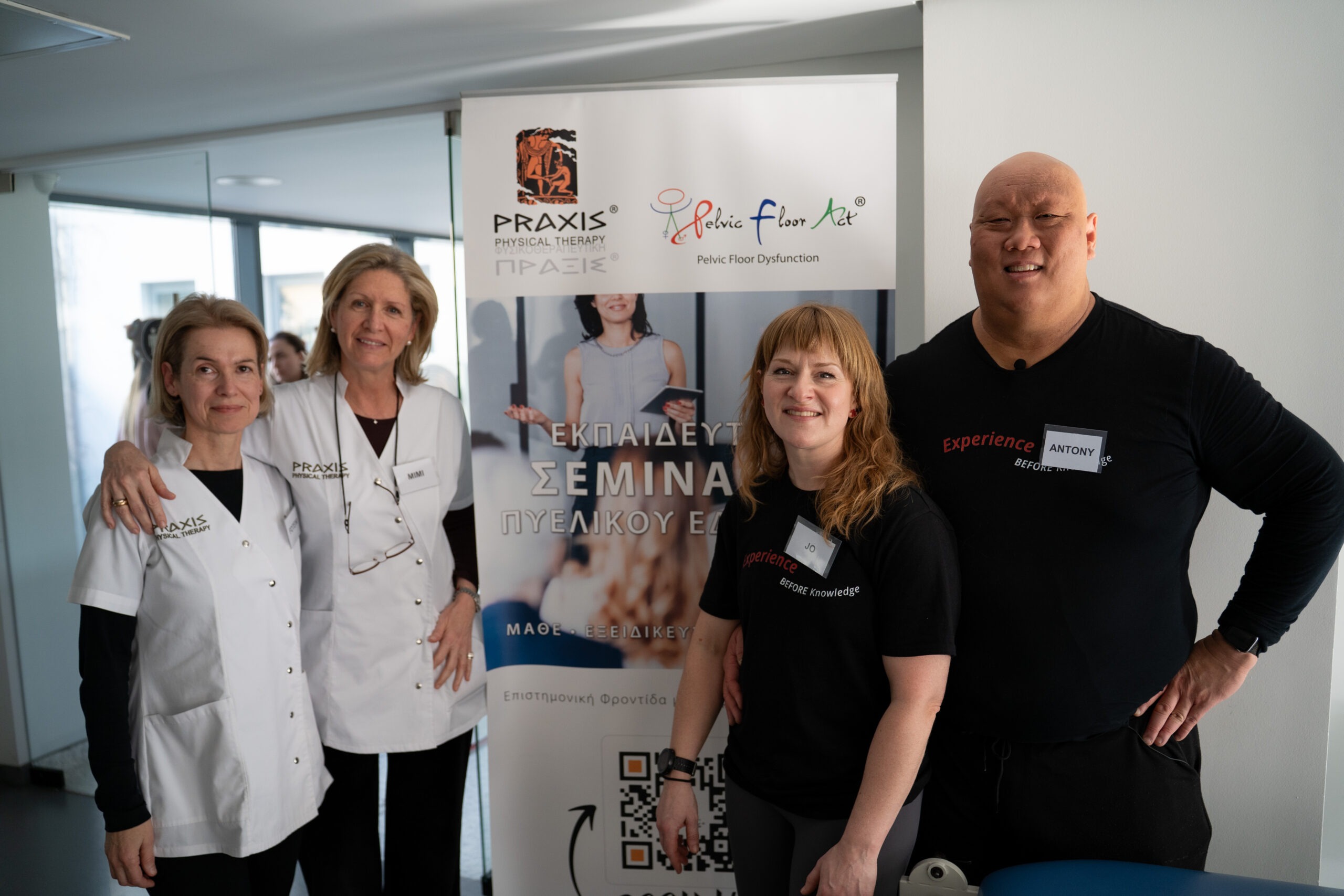
The heads of PT PRAXIS®, with scientific expertise and extensive experience in Pelvic Floor health, as well as recognized contributions to the interdisciplinary Pelvic Floor community in Greece, adhere to international guidelines for the prevention and rehabilitation of Pelvic Floor dysfunctions. For the past 25 years, they have been collaborating with and training midwives throughout Greece.
New Training Seminar for Midwives
PT PRAXIS®, is launching a new structured series of training seminars for midwives, starting at the end of 2022. These seminars, aligned with international guidelines, aim to establish a strong alliance between midwives and physiotherapists in Greece to improve women’s health.
Stay tuned!
(*) According to a study by the Royal College of Midwives (RCM) and the Chartered Society of Physiotherapy in the UK, involving a sample of 2,000 women, one in two reported experiencing incontinence problems after pregnancy, while three in four stated they did not seek help to find a solution.