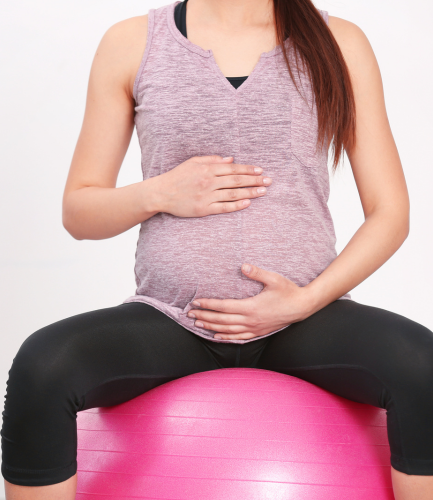
The Pelvic Floor During Pregnancy
Pelvic Floor dysfunction after pregnancy involves a variety of symptoms, the most frequent of which is urinary incontinence. Pregnancy is one of the leading causes of pelvic floor laxity due to the strain it receives during the nine-month period. Furthermore, a difficult childbirth can strain the pelvic floor, resulting in additional tension or even injury, whereas a caesarean section fails to protect it against potential post-partum dysfunctions. Pelvic Floor dysfunction can be avoided before pregnancy by strengthening the muscles, and it can be effectively addressed postpartum with pelvic floor physical therapy exercises
SEE ALSO

What does genitourinary syndrome mean? Do you happen to have heard of it as premature menopause syndrome?
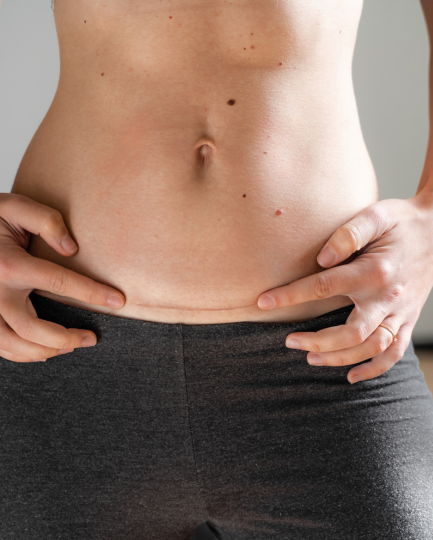
How can a woman recover painlessly after gynecological or obstetric surgery and return to her daily life?
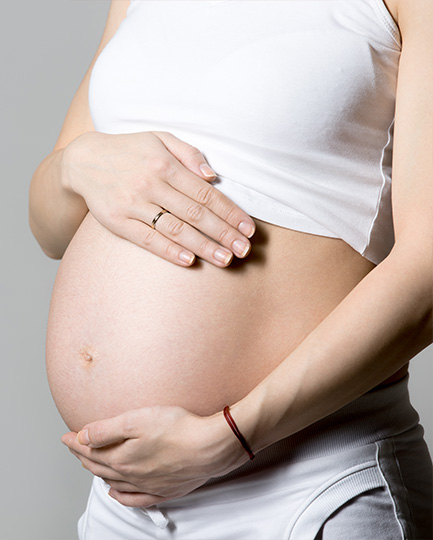
Musculoskeletal changes affect the pelvic floor, body posture, and rectus abdominis, leaving visible and invisible problems.